
FYFatima YusufSustainability Lead
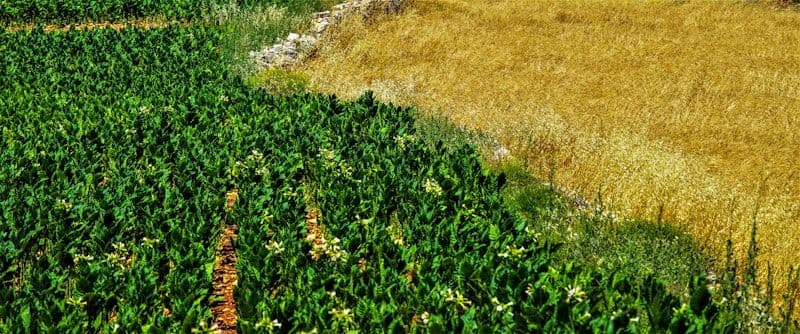
Climate-smart agriculture is often presented as a funding category. On small farms, it is better understood as a set of practices that reduce variance — in moisture, pest pressure, and input waste — while keeping capital requirements low.
None require new machinery. Combined, they compound: farms that adopt two or three together typically see more stable yields than farms that rotate single interventions season by season.
Start with the practice that addresses your biggest source of loss. If moisture is the constraint, mulching and conservation tillage come first. If pest damage dominates margins, invest in IPM before buying sensor hardware you will not use daily.
Explore related insights and perspectives shaping African agribusiness.
Join a growing network of organisations committed to innovation, capacity building, and sustainable growth across Africa.